The Hidden Half of Your Electricity Bill: Network Tariffs Explained
Why Network Tariffs Now Dominate Costs and the Few Actions That Truly Move the Needle
For Australian commercial and industrial (C&I) energy users, the electricity bill has quietly, but fundamentally, changed.
Ten to fifteen years ago, network tariffs typically accounted for 25-35% of a large customer’s electricity bill. Energy costs were the dominant driver, and most optimisation effort rightly focused on negotiating better $/MWh outcomes.
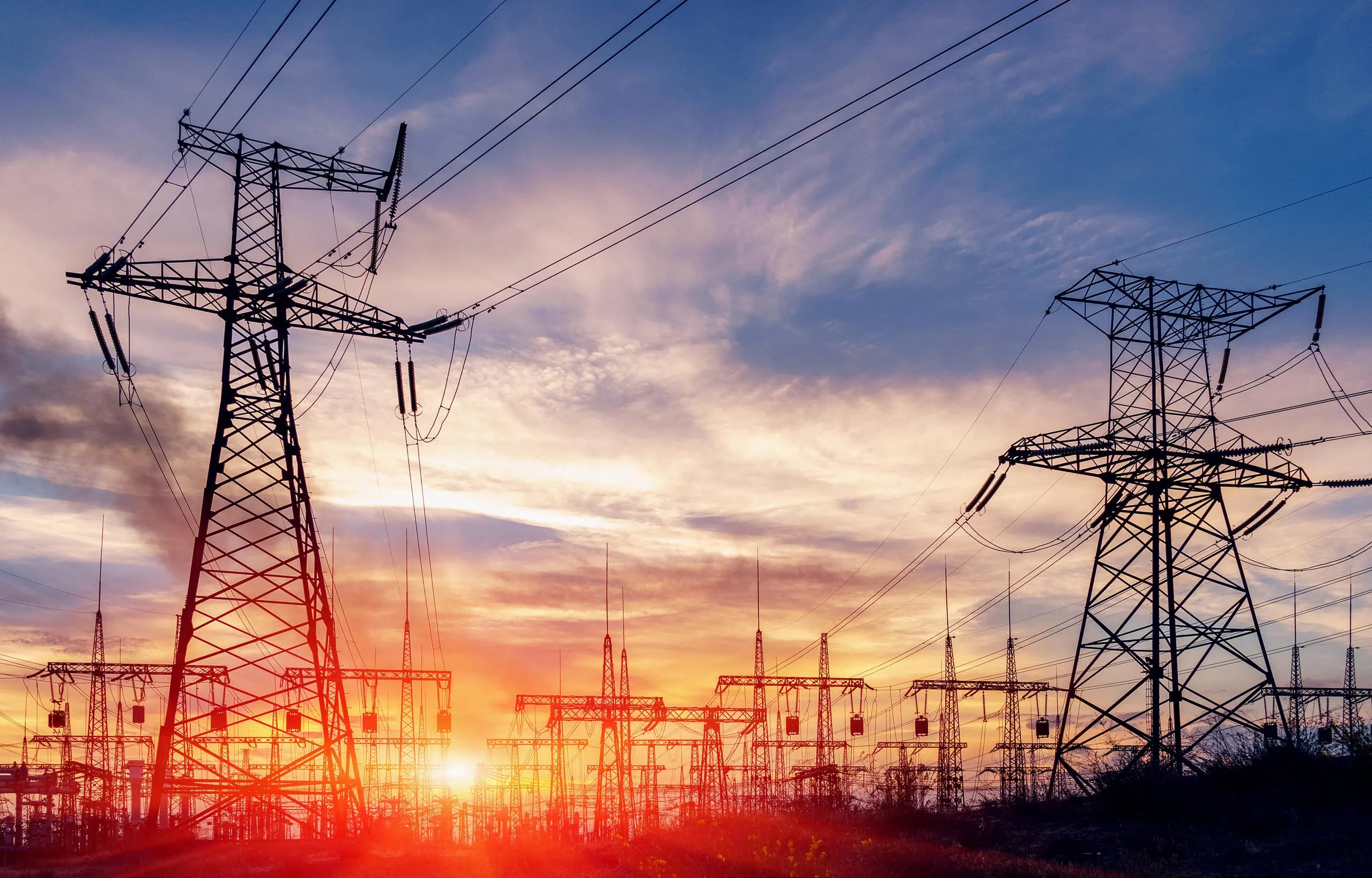 Fast forward to today, and that picture looks very different. For many C&I users, network tariffs now account for roughly 40-50 percent of total electricity costs, and in some cases more. This shift has been driven by increasing demand-based charges, higher transmission costs, and the ongoing recovery of past and future network investments.
Australia is investing tens of billions of dollars over the next decade to expand and modernise the grid, connecting renewable generation, supporting electrification, managing two-way flows and maintaining system reliability. As these investments are rolled into regulated pricing, network costs are expected to increase, potentially exceeding 60% of the total electricity bill for some customers.
In other words, the “hidden” half of the electricity invoice is becoming the dominant one.
Why monitoring network tariffs matters, and what businesses can actually control
Network charges are often seen as fixed and unmanageable. While it’s true that the total revenue networks recover is regulated, how those costs show up on individual customer bills is strongly influenced by behaviour, tariff selection, and site-specific characteristics. There are real, practical levers businesses can pull, often without outsized impact:
Peak demand management: Short, infrequent peaks often drive a disproportionate share of network costs. Actively monitoring and managing maximum demand, whether through operational changes, automation, or technologies like battery storage, can materially reduce charges.
Being on the right tariff: Network tariffs are becoming more complex and more tailored, with increasing use of demand charges, capacity charges, and time-based components. Being on the wrong tariff for your load profile can quietly lock in unnecessary costs year after year.
Power factor and technical performance: For some sites, poor power factors or inefficient electrical performance can increase network charges or trigger penalties. Targeted technical reviews often uncover low-cost fixes with long-term benefits
Load shape and flexibility: As tariffs evolve, customers who understand and control when they consume energy, not just how much, are better positioned to adapt. Improving visibility over load shape, and identifying flexible processes can reduce exposure to high-cost periods over time.
(We highly recommend revisiting our piece “From Memes to Meaning” on how to turn meter data into actionable insight).
In short: network costs reward attention and penalise complacency.
Network tariff changes coming this year
Each year, network businesses review and adjust their tariffs through the regulatory revenue determination and annual pricing process. Updated tariffs typically take effect from 1 July.
These changes may reflect inflation, capital investment, demand forecasts, or refinements to tariff structures. While individual changes can appear incremental, their impact can compound materially over time, especially for portfolios with multiple sites.
As we do every year, we are actively monitoring the upcoming tariff changes across Australia. For clients engaged in our tariff services, we will:
- Provide a clear, practical summary of what’s changing and where it matters
- Review whether sites remain on the most cost-effective network tariff
- Check power factor and other technical drivers where it is relevant
- Suggest practical changes to help reduce ongoing network exposure
What this means for you
For our clients engaged in our tariff services: Please keep an eye out for our tariff updates and site-specific reviews which we deliver as part of our usual process.
For everyone else: If you would like to understand how network tariffs are affecting your electricity bill, we’re happy to help. There are hundreds of network tariffs across Australia, varying by location, voltage, demand profile, and distributor.
Selecting the right tariff for each site in your portfolio, and ensuring it still fits every year, is increasingly complex. But it’s also one of the most important levers for controlling long-term electricity costs.
If you’re unsure how network tariffs are impacting your sites, get in touch with our experts Jalaj Guwalanie and Smitesh Kirtane to start the conversation.