From Bond Approval to Action at Franklin ISD
How early planning and the right project partner helped one Texas school district put voter-approved building improvements in motion—fast.
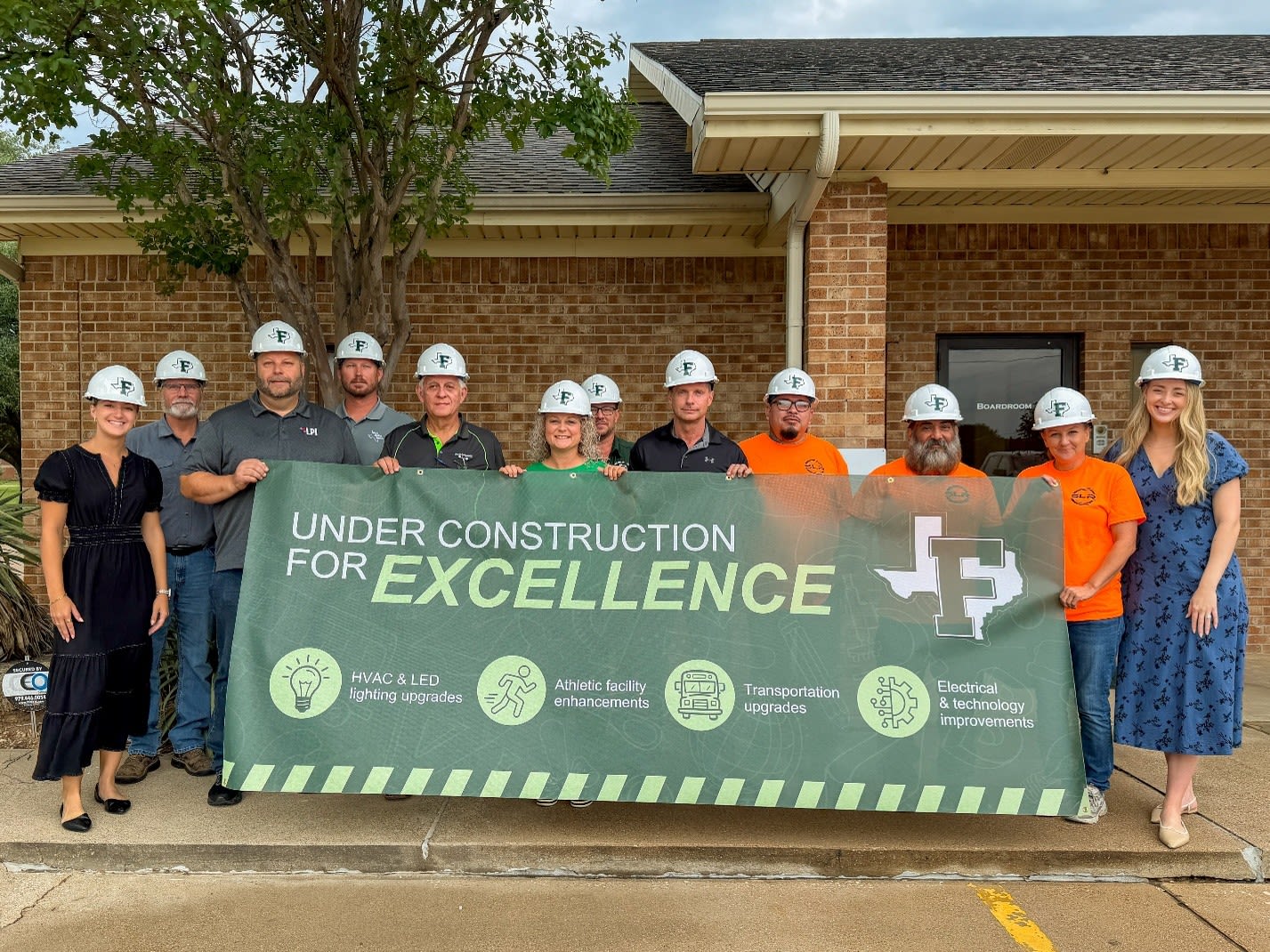
Franklin ISD and Schneider Electric kick off construction on community-supported improvements across the district.
After their community approved a $23.05 million bond package on May 2, 2026, Franklin Independent School District moved quickly to start work on several bond-funded infrastructure projects.
Franklin ISD is a district with a strong track record of academic performance, and the district's leaders aimed to use the new bond funding to support continued excellence through dependable learning environments.Franklin ISD partnered with Schneider Electric as their design and implementation partner. That partnership enabled the district to move quickly, going from bond approval to construction planning for facility improvements across its campuses within just a few weeks. During this time, the district also thanked voters for their support through a community video that introduced the next phase of the bond program, giving students, staff and families an early view of the work ahead.
Franklin ISD's approach offers a practical example for other K-12 leaders managing aging facilities, limited staff capacity and continued pressure on operating budgets. The right approach to bond-funded projects allows districts to stretch bond dollars further and speed up project timelines. It also connects one-time bond funding with long-term financial stewardship. Community-approved funds address immediate infrastructure needs, which in turn creates operational savings that help lower overall costs over time.
Moving Quickly From Planning to Construction
Franklin ISD and Schneider Electric kicked off the project immediately after receiving bond approval in May, and construction mobilization began in June. This accelerated timeline reflects the value of preparing project scopes and implementation plans before Election Day. That early work can help reduce the time between bond approval and start of construction.
Overall, Franklin ISD's infrastructure overhaul is designed to modernize aging building systems, improve day-to-day operations and help the district direct more resources toward long-term facility priorities. The bond program addresses aging systems and infrastructure while supporting the academic, extracurricular and operational priorities that shape students’ daily experiences. Key improvements include:
- Indoor air quality improvements: Upgraded 6 air-cooled chillers for improved HVAC system performance
- Cutting utility waste: Improved energy efficiency by adding variable frequency drives to water pumping systems
- Capturing energy savings: Retrofitted approximately 3,000 fixtures across the district to LED lighting
- Operational reliability: Replaced Franklin Middle School’s main electrical switchboard, which has served the campus since 1983
Together, these lighting, mechanical and electrical improvements are projected to generate approximately $2 million in lifecycle savings while supporting more dependable, efficient campus environments. Also, by reducing utility and operational costs, Franklin ISD is creating flexibility within its operations and maintenance (O&M) budget. Those funds will be available for student programs and other district priorities, instead of being absorbed by avoidable facility expenses.
These improvements have another added benefit: expanding the district facility team's capacity. Franklin ISD's operational staff maintain a wide range of facilities and grounds, including the Franklin Ranch Community Park, ag barn and athletic fields. Managing these assets requires significant time from a limited operations staff. But now, with upgraded facility infrastructure, those district employees can spend more time on day to day operations and less on maintaining aging systems.
Connecting Students With Energy and STEM
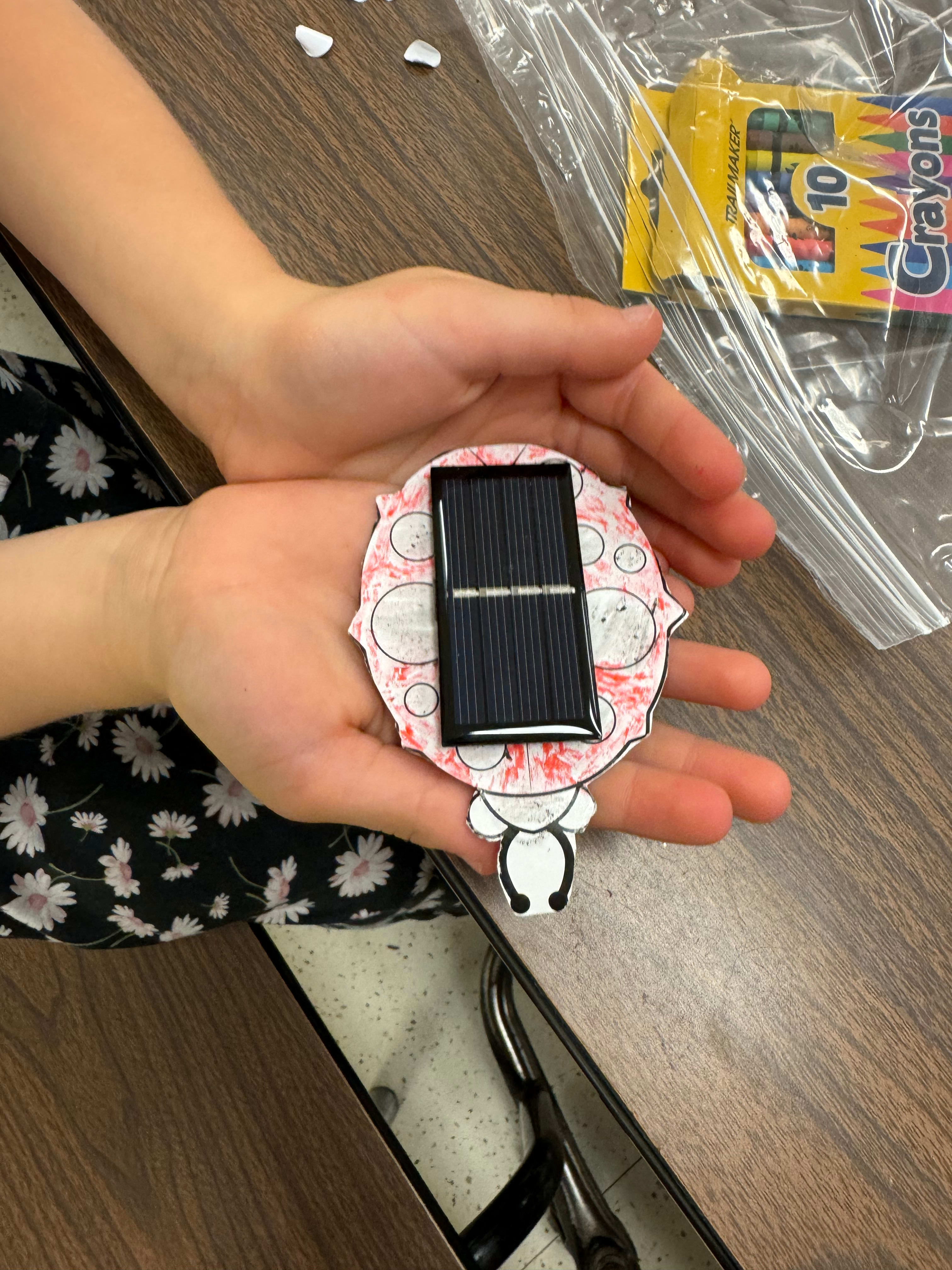
Ahead of construction, Franklin ISD and Schneider Electric marked Earth Day with hands-on STEM activities that connected classroom learning with real-world energy applications. The events introduced students to renewable energy and engineering concepts through interactive demonstrations.
At Franklin High School, seniors used solar panels and portable power stations to make Solar Smoothies without generator noise or direct emissions. At Roland Reynolds Elementary, second graders explored Solar Bugs, small solar-powered devices that convert sunlight into motion through vibration motors.
The activities gave students an age-appropriate way to explore science and math while connecting classroom concepts to the real world efficiency project planned for construction that summer.
Keeping Community Trust at the Center
Public school districts face tight budgets, aging infrastructure, deferred maintenance needs and increased scrutiny over how public funds are used.
Franklin ISD’s approach shows how early planning and clear communication can help turn voter approval into visible action. The district began advancing projects soon after the election while keeping families, staff and taxpayers informed about how approved funds were being put to work.
By pairing bond dollars with guaranteed savings, Franklin ISD is working to stretch community-approved funding further and preserve M&O resources for student and district priorities.
The current project also gives the district a foundation for evaluating future modernization and deferred maintenance projects. Their ongoing partnership with Schneider Electric will help the district evaluate facility priorities holistically, rather than addressing each system or building separately. That broader view can support future bond planning, project prioritization and better communication with the school board and community.
For K-12 leaders, the takeaway is straightforward: facility improvements can address aging infrastructure while creating efficiences that support district priorities beyond facility upkeep.
To learn more about our work with school districts across the country, visit our K-12 Hub.